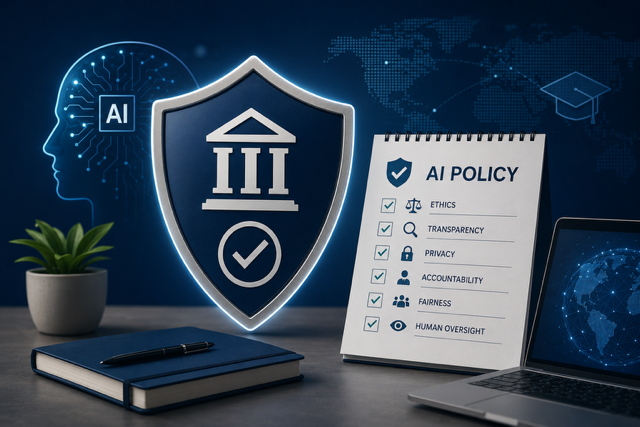

By 2027, digital accreditation will have become a defining marker of institutional credibility in online and hybrid education. As digital delivery models mature and scale globally, stakeholders increasingly rely on accreditation signals to distinguish rigorous, learner-centered institutions from low-quality or opaque providers. In this environment, IACDE accreditation functions not merely as a procedural endorsement, but as a visible indicator of institutional readiness for digital-first higher education.
For senior leaders and regulators, the central question is how digital accreditation can reliably assure quality, integrity, and public trust across diverse platforms and borders. The answer lies in accreditation frameworks that are purpose-built for online and hybrid education, aligned with international quality-assurance norms, and capable of continuous oversight rather than episodic review.
━━━━━━━━━━━━━━━━━━━━━━━━━━
𝗙𝗿𝗼𝗺 𝗖𝗮𝗺𝗽𝘂𝘀-𝗖𝗲𝗻𝘁𝗿𝗶𝗰 𝗔𝘀𝘀𝘂𝗿𝗮𝗻𝗰𝗲 𝘁𝗼 𝗗𝗶𝗴𝗶𝘁𝗮𝗹 𝗔𝗰𝗰𝗿𝗲𝗱𝗶𝘁𝗮𝘁𝗶𝗼𝗻
━━━━━━━━━━━━━━━━━━━━━━━━━━
Accreditation systems historically evolved around physical campuses, fixed academic calendars, and place-based delivery. Quality assurance emphasized facilities, seat time, and local governance structures. Distance-education accreditation emerged as an adaptation to this model, often constrained by standards not originally designed for digital learning environments (CHEA, n.d.).
Digital accreditation represents a structural shift rather than an incremental adjustment. It prioritizes learning outcomes, instructional design, student support systems, and data-informed quality assurance across online and hybrid modalities. This evolution reflects broader changes in how education is delivered, accessed, and evaluated, particularly in cross-border and lifelong-learning contexts (OECD, 2023).
━━━━━━━━━━━━━━━━━━━━━━━━━━
𝗪𝗵𝗮𝘁 𝗠𝗮𝗸𝗲𝘀 𝗜𝗔𝗖𝗗𝗘 𝗔𝗰𝗰𝗿𝗲𝗱𝗶𝘁𝗮𝘁𝗶𝗼𝗻 𝗖𝗿𝗲𝗱𝗶𝗯𝗹𝗲 𝗮𝗻𝗱 𝗧𝗿𝗮𝗻𝘀𝗳𝗼𝗿𝗺𝗮𝘁𝗶𝘃𝗲
━━━━━━━━━━━━━━━━━━━━━━━━━━
𝗔𝗹𝗶𝗴𝗻𝗺𝗲𝗻𝘁 𝘄𝗶𝘁𝗵 𝗶𝗻𝘁𝗲𝗿𝗻𝗮𝘁𝗶𝗼𝗻𝗮𝗹 𝗾𝘂𝗮𝗹𝗶𝘁𝘆 𝗮𝘀𝘀𝘂𝗿𝗮𝗻𝗰𝗲 𝗻𝗼𝗿𝗺𝘀
Credible digital accreditation is anchored in widely recognized quality-assurance principles, including transparency, peer review, institutional autonomy, and continuous improvement. These principles are reflected in international frameworks advanced by bodies such as INQAAHE and ENQA, which emphasize outcomes-based evaluation and learner protection in digital contexts (INQAAHE, 2018; ENQA, 2022).
𝗗𝗶𝗴𝗶𝘁𝗮𝗹-𝗳𝗶𝗿𝘀𝘁 𝘀𝘁𝗮𝗻𝗱𝗮𝗿𝗱𝘀 𝗮𝗻𝗱 𝗲𝘃𝗶𝗱𝗲𝗻𝗰𝗲
IACDE accreditation is designed specifically for online and hybrid institutions, focusing on instructional design quality, faculty readiness for digital teaching, robust assessment practices, and student success metrics. This approach reflects contemporary understanding of quality assurance in online learning, where effectiveness is demonstrated through evidence rather than physical proxies (CHEA, n.d.).
━━━━━━━━━━━━━━━━━━━━━━━━━━
𝗪𝗵𝘆 𝗜𝗔𝗖𝗗𝗘 𝗔𝗰𝗰𝗿𝗲𝗱𝗶𝘁𝗮𝘁𝗶𝗼𝗻 𝗠𝗮𝘁𝘁𝗲𝗿𝘀 𝗠𝗼𝗿𝗲 𝗡𝗼𝘄
━━━━━━━━━━━━━━━━━━━━━━━━━━
The expansion of online and hybrid education has lowered barriers to entry, enabling innovation but also increasing the risk of inconsistent quality. Regulators and learners alike face challenges distinguishing credible institutions from unverified providers, particularly in cross-border digital education markets (UNESCO, 2023).
In this context, digital accreditation serves as a trust mechanism. Accreditation signals institutional commitment to academic integrity, learner protection, and continuous improvement. As public scrutiny of online education intensifies, institutions without credible digital accreditation face reputational and regulatory vulnerabilities.
━━━━━━━━━━━━━━━━━━━━━━━━━━
𝗗𝗶𝗴𝗶𝘁𝗮𝗹 𝗔𝗰𝗰𝗿𝗲𝗱𝗶𝘁𝗮𝘁𝗶𝗼𝗻, 𝗠𝗶𝗰𝗿𝗼-𝗖𝗿𝗲𝗱𝗲𝗻𝘁𝗶𝗮𝗹𝘀, 𝗮𝗻𝗱 𝗖𝗿𝗼𝘀𝘀-𝗕𝗼𝗿𝗱𝗲𝗿 𝗗𝗲𝗹𝗶𝘃𝗲𝗿𝘆
━━━━━━━━━━━━━━━━━━━━━━━━━━
Micro-credentials, stackable certificates, and short-cycle programs are now central to workforce-oriented education strategies. While these offerings increase access and flexibility, they also challenge traditional accreditation models to ensure coherence, credit recognition, and transparency for learners (OECD, 2023).
Digital accreditation frameworks, including those advanced by IACDE, increasingly address:
- The quality assurance of micro-credentials and their alignment with institutional learning outcomes.
- Oversight of online and hybrid programs delivered across national jurisdictions.
- Governance structures that ensure accountability in partnerships with edtech platforms and third-party providers.
These dimensions represent the next frontier of oversight in global digital education.
━━━━━━━━━━━━━━━━━━━━━━━━━━
𝗦𝘁𝗿𝗮𝘁𝗲𝗴𝗶𝗰 𝗣𝗿𝗶𝗼𝗿𝗶𝘁𝗶𝗲𝘀 𝗳𝗼𝗿 𝗜𝗻𝘀𝘁𝗶𝘁𝘂𝘁𝗶𝗼𝗻𝘀 𝗶𝗻 𝟮𝟬𝟮𝟳
━━━━━━━━━━━━━━━━━━━━━━━━━━
Institutions seeking to demonstrate excellence in online and hybrid education should prioritize several strategic actions:
- Align digital programs with recognized digital accreditation standards rather than adapting campus-based criteria post hoc.
- Strengthen internal quality assurance systems capable of continuous monitoring and improvement.
- Ensure transparency in learner outcomes, assessment practices, and credential value.
- Engage with accrediting bodies that possess explicit expertise in distance-education accreditation and global digital quality frameworks.
These priorities support institutional resilience and credibility in an increasingly competitive digital landscape.
━━━━━━━━━━━━━━━━━━━━━━━━━━
𝗠𝗼𝘃𝗶𝗻𝗴 𝗙𝗿𝗼𝗺 𝗣𝗿𝗶𝗻𝗰𝗶𝗽𝗹𝗲 𝘁𝗼 𝗣𝗿𝗮𝗰𝘁𝗶𝗰𝗲
━━━━━━━━━━━━━━━━━━━━━━━━━━
Translating quality principles into operational practice requires sustained engagement with accreditation processes designed for digital education. As a digital-first accreditor, the International Accrediting Commission for Digital Education (IACDE) reflects contemporary expectations for rigor, transparency, and alignment with international quality-assurance norms.
Institutions seeking practical pathways forward may consider the following steps.
- Institutions that wish to engage with a digital-first quality-assurance community can explore membership opportunities through the International Accrediting Commission for Digital Education (IACDE) at: https://iacde.org/become-a-member/
- Institutions ready to formalize their commitment to rigorous digital accreditation can begin an application with IACDE at: https://iacde.org/apply-now/
Together, these actions position institutions to signal excellence credibly and sustainably in online and hybrid education.
━━━━━━━━━━━━━━━━━━━━━━━━━━
𝗥𝗲𝗳𝗲𝗿𝗲𝗻𝗰𝗲𝘀
━━━━━━━━━━━━━━━━━━━━━━━━━━
Council for Higher Education Accreditation. (n.d.). Distance education and accreditation. https://www.chea.org
European Association for Quality Assurance in Higher Education. (2022). Considerations for quality assurance of e-learning provision. https://www.enqa.eu
International Network for Quality Assurance Agencies in Higher Education. (2018). Guidelines of good practice. https://www.inqaahe.org
Organisation for Economic Co-operation and Development. (2023). Micro-credentials for lifelong learning and employability. https://www.oecd.org
UNESCO. (2023). Quality assurance of cross-border higher education. https://www.unesco.org