
Professional expertise. Evidence-based review.
IACDE’s Accreditation Peer Review Network brings qualified educators, administrators, institutional leaders, and subject-matter professionals into the accreditation process to examine evidence and provide standards-based professional findings.
Independent professional judgment within a structured review process.
Peer review brings informed professional perspective into IACDE’s accreditation process. Reviewers examine institutional evidence in relation to applicable standards and document observations, strengths, concerns, and recommendations arising from that review.
Because institutions differ in mission, academic scope, delivery model, technology, governance, learner population, and organizational complexity, reviewer assignments may reflect the expertise needed for a particular evaluation.
Peer reviewers contribute findings and professional judgment within IACDE’s established accreditation process. Network participation does not independently confer authority to grant, deny, renew, suspend, or revoke accreditation.
From evidence to documented findings.
Peer-review activity is grounded in published standards, appropriate documentation, professional judgment, objectivity, and ethical conduct.
Evidence Review
Reviewers examine institutional submissions, policies, records, supporting documentation, and other materials relevant to the assigned scope.
Standards Analysis
The evidence is considered against applicable IACDE standards and the expectations associated with the review.
Professional Findings
Reviewers document observations, strengths, questions, concerns, and recommendations supported by the evidence.
Review Record
Findings become part of IACDE’s established institutional review record and accreditation process as applicable.
Institutional quality is examined as a whole.
Review assignments may involve one or several areas depending on the institution and scope of evaluation.
Professional review requires professional boundaries.
Objectivity, confidentiality, disclosure, and appropriate separation from conflicting interests are essential to credible peer review.
Reviewers Are Expected To
- Apply relevant published standards
- Review evidence objectively and fairly
- Protect confidential information
- Disclose actual or perceived conflicts
- Document findings supported by evidence
Reviewers Must Avoid
- Personal or institutional bias
- Undisclosed conflicts of interest
- Preferential treatment
- Improper disclosure of review information
- Gifts, inducements, or inappropriate influence
Reviewers are matched to the needs of the evaluation.
Standards & professional expectations
Accreditation Peer Reviewers
The professionals below are current members of IACDE’s Accreditation Peer Review Network. Network composition may change as expertise, availability, and institutional review needs evolve.
Dr. Tara Canfield, Ed.D.
Ed.D., Higher Education Leadership; M.A. & B.A., Communications
Areas of Expertise:
Program Quality • Faculty Development • Student Success
Dr. Canfield contributes expertise in faculty development, online education, curriculum design, student retention, communications, and digital curriculum development. Her professional background includes academic leadership, faculty service, and extensive experience in higher education and online learning.

Tunisha Lindsey, MBA, M.A.
MBA; M.A., Curriculum & Instruction; B.S., Health Care Administration/Management
Areas of Expertise:
AI Strategy • Curriculum Innovation • Workforce Development
Tunisha Lindsey contributes expertise in artificial intelligence strategy, curriculum development, professional training, business automation, leadership development, workforce education, and digital learning innovation.

Dr. Deneia Y. Fairweather, PhD
Ph.D., Applied Cultural Anthropology; M.Ed., Reading Education; Florida Certified Educator
Areas of Expertise:
Culture • Community • Organizational Strategy
Dr. Fairweather contributes expertise in educational anthropology, digital learning, organizational culture, international education, community engagement, and institutional strategy. Her academic and professional experience includes teaching, research, and consulting across diverse educational environments.
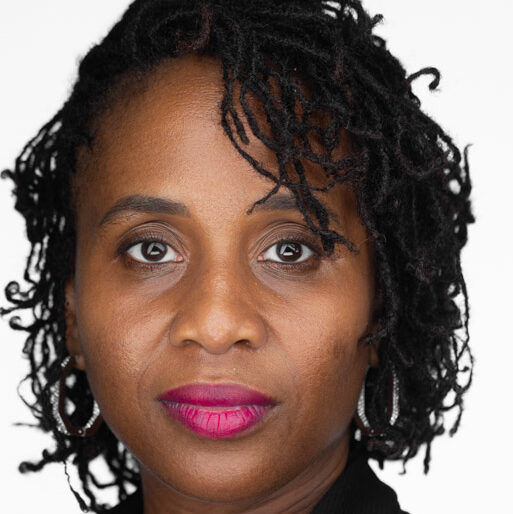
Dr. Fredah Mainah, PhD
Ph.D., Organizational Leadership; M.A., Organizational Learning & Performance
Areas of Expertise:
Leadership Development • Organizational Capacity • Humanitarian Impact
Dr. Mainah contributes expertise in organizational leadership, faculty and executive development, nonprofit leadership, organizational learning, cultural alignment, and humanitarian practice.
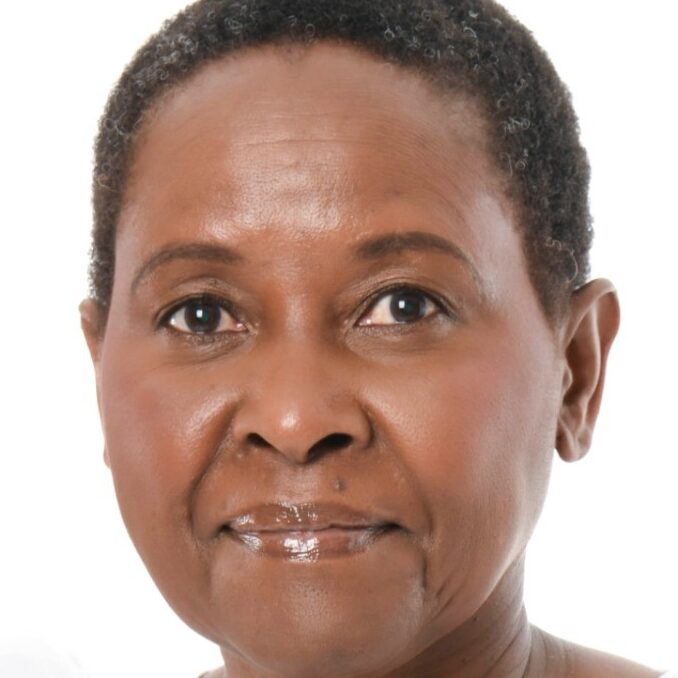
Dr. Tiffany Tatum, PsyD
Psy.D., Organizational Management & Consulting; MSW; B.A., Psychology
Areas of Expertise:
Governance • Leadership • Institutional Effectiveness
Dr. Tatum contributes expertise in organizational leadership, higher education administration, institutional effectiveness, organizational development, psychology, and inclusive leadership.

Global Updates from IACDE

How Accreditation Supports Student‑Athlete Academies: The 180 Degrees Academy Case in 2026

Lead With Confidence: Strengthening Institutional Credibility Through IACDE Digital Accreditation

Future-Proof Your Institution: Why IACDE Accreditation Matters More Now Than Ever

Why Students Prefer Digital Credentials Over Paper Certificates: Digital Accreditation and the Evolving Meaning of Trust
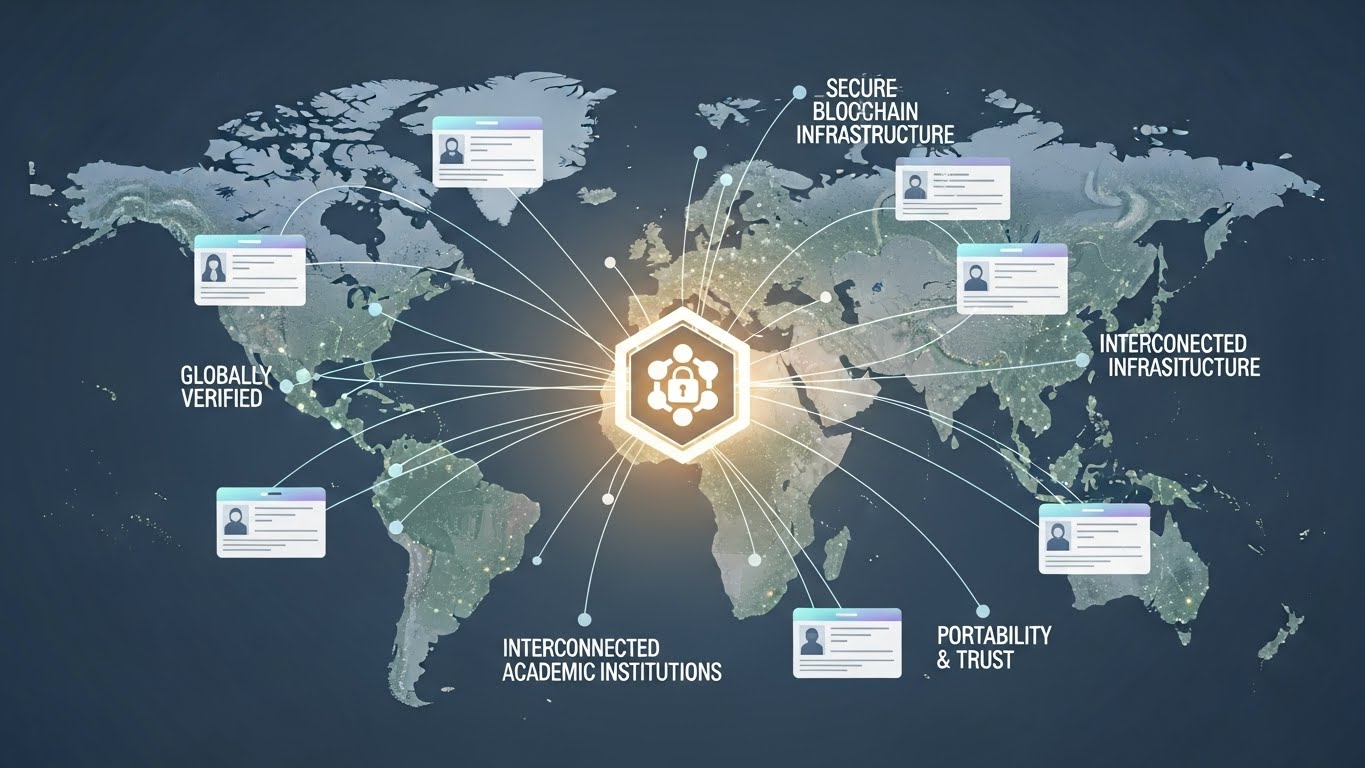
Blockchain in Accreditation and Credentialing: What’s Real and What’s Hype in Digital Accreditation
Why Students Prefer Digital Credentials Over Paper Certificates: Digital Accreditation and the New Learner Expectation

Are Digital Credentials Replacing Degrees? trends for 2025-2030

Is Digital Accreditation Legitimate? What Institutions Need to Know in 2026