
Global perspective. Independent counsel.
The IACDE Global Advisory Council brings together accomplished educators, institutional leaders, researchers, executives, innovators, and professionals whose experience broadens the Commission’s perspective on digital education, institutional quality, responsible innovation, and international engagement.
Bringing broader professional perspective into quality assurance.
Digital education operates across national systems, technologies, cultures, professions, and learner populations. No single institution, discipline, or geographic perspective can fully represent that complexity.
The Global Advisory Council helps IACDE remain attentive to emerging developments beyond its internal leadership and accreditation teams by contributing external knowledge, professional experience, research perspective, and international insight.
Institutional Quality
Governance, transparency, academic quality, learner protection, institutional effectiveness, accountability, and continuous improvement.
Digital Education & Innovation
Artificial intelligence, digital pedagogy, cybersecurity, learning technologies, data practices, and responsible institutional innovation.
Global & Cross-Border Education
International access, cultural context, learner mobility, global delivery, and the realities of institutions serving diverse populations.
Research & Professional Dialogue
Research, publications, conferences, professional learning, policy discussion, and knowledge exchange relevant to digital quality.
A meaningful role with defined boundaries.
IACDE intentionally separates advisory participation from formal accreditation authority. This distinction supports transparency and protects the integrity of institutional review.
The Council May
- Provide professional and regional perspective
- Offer strategic observations and recommendations
- Contribute subject-matter expertise
- Participate in research and thought leadership
- Support professional dialogue and knowledge exchange
The Council Does Not
- Vote on accreditation decisions
- Determine candidacy, renewal, or sanctions
- Replace independent peer review
- Conduct routine Commission administration
- Create preferential standing for affiliated institutions
A multidisciplinary advisory community.
Inaugural Members of the Global Advisory Council
Below are the inaugural members of the IACDE Global Advisory Council, representing diverse academic disciplines and regions of the world.
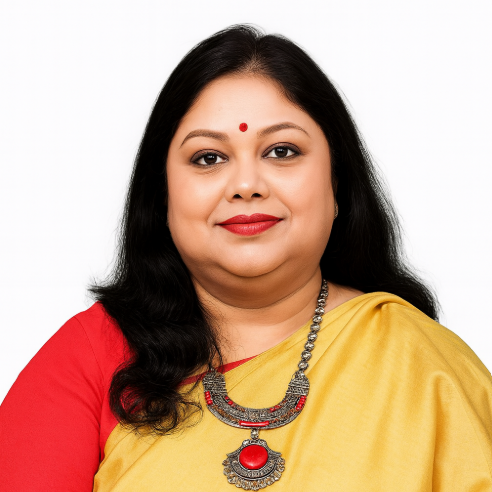
Prof. Dr. Arti Bansall, PhD, MBA, BE, PMP
India – Online Higher Education
Read Full Bio
Prof. (Dr.) Arti Bansal is an Online Education Strategist and academic leader passionate about transforming higher education through innovation, technology, and learner-centric design. With over 15 years of experience spanning academia and industry, she currently leads the Online Degree Programs at Chandigarh University, India, as Additional Director, Chandigarh University Online.
Her expertise lies in online higher education, marketing, artificial intelligence, and digital pedagogy, with a strategic focus on creating inclusive, engaging, and future-ready online learning ecosystems. Dr. Bansal actively contributes to advancing global best practices in online education, empowering educators and learners to thrive in the digital era.

Kevin Brake
Canada – Blended Learning Strategist
& AI Integration
Read Full Bio
Kevin Brake is an IT and education expert with over 30 years of experience, revolutionizing e-learning through virtual reality, augmented reality, and AI-driven solutions, while sharing his insights via his influential edtech blog on LinkedIn and YouTube with a following of over 30,000. His innovative work enhancing learner engagement for thousands and developing accessible e-learning strategies positions him as a key contributor to shaping global educational advancements through his involvement with the IACDE Global Advisory Council.

Dr. Sancian Crawford, PhD, DCM, MPH
United States – Public Heath, Artificial Intelligence
Read Full Bio
Dr. Sancian Crawford is a Global Public Health Intelligence and AI Strategist and the Founder & CEO of SANCIAN LLC, a consultancy advancing ethical and evidence-based AI adoption in health and education systems. She integrates equity-centered governance frameworks with digital innovation to help global institutions build trustworthy, human-centered technologies. Her work bridges research, policy, and practice to ensure that the future of digital education and public health is guided by excellence, equity, and ethical intelligence.
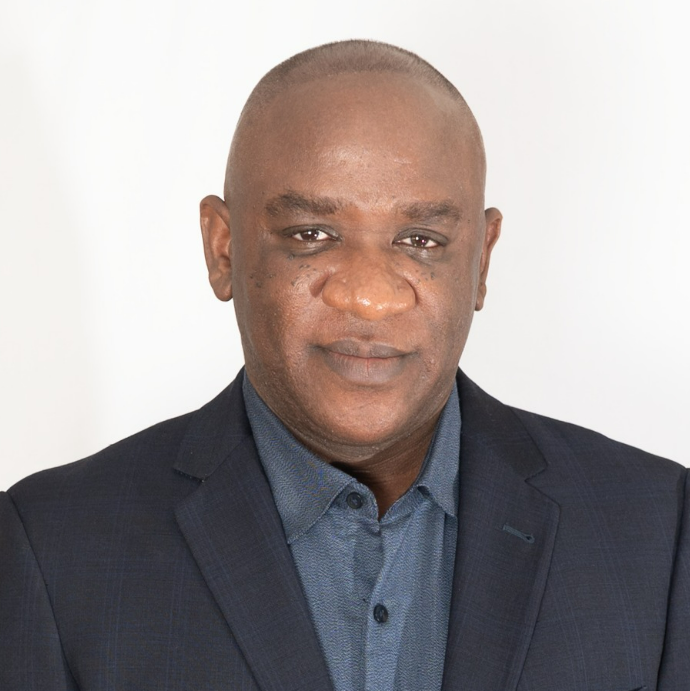
Dr. Hartford G. Dawson, PhD
United States – Curriculum Design; Cyber Security; AI; Cloud Computing
Read Full Bio
Dr. Hartford G. Dawson is an accomplished educator, author, and technologist with over twenty years of leadership experience across higher education and the telecommunications sector. He has designed and developed online and hybrid graduate courses and has taught undergraduate and graduate classes in information technology and leadership at several U.S. institutions. Dr. Dawson is the author of The Apple and The Stone, a work presenting a structured framework for resilience and high-performance leadership inspired by Steve Jobs and the biblical account of David and Goliath.

Dr. Valerie Delleville, MBA, Ed.D.
United States – Workforce Development & Learning Innovation
Read Full Bio
Dr. Valerie Delleville is a strategic leader who designs and implements flexible programs to drive measurable workforce transformation. With an Ed.D., MBA, and M.S.Ed earned as a working adult, she brings deep expertise to developing scalable, outcome-driven solutions for online learners. She has successfully designed and implemented training programs across multiple complex environments, specializing in skills-based (CBE), experiential learning and Credit for Prior Learning (CPL) models. Dr. Delleville’s mission is wiring education to accelerate career mobility and deliver organizational ROI.
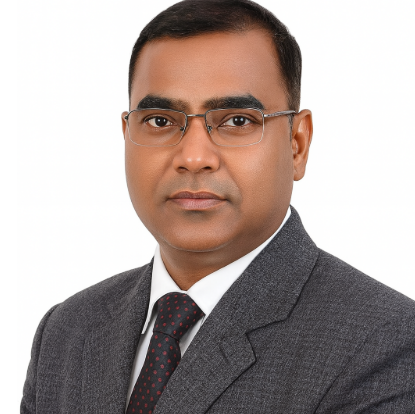
Er. Dilip Kumar, B.Tech,
C-DAC & MBA
India – Higher Education Leadership; Skill Development; Institutional Governance; Workforce Training
Read Full Bio
Er. Dilip Kumar is an acclaimed Indian educationist and National Award recipient, honored with the Dr. B.R. Ambedkar National Award (2018) and the Guru Dronacharya Award (2018). A Global Goodwill Ambassador, he has founded and led several influential institutions, including the All India Institute of Training and Education (2013), the International Institute of Education (2012), and the Dr. B.R. Ambedkar International Educational Activity Trust (2013).
He serves as a member of the Quality Council of India and is a founding member of the Smart University Foundation (USA). His work spans educational reform, social impact initiatives, and large-scale skill and talent development across India, positioning him as a transformative leader in workforce and institutional advancement.
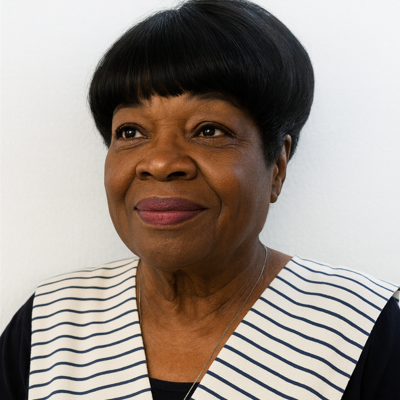
Jenelle Leonard, M.A.
United States – Educational Technology; Federal Education Policy; K–20 Digital Equity; Curriculum Innovation, AI Strategist
Read Full Bio
Jenelle Leonard is a nationally respected education leader with more than 30 years of experience advancing K–20 digital learning, federal program oversight, and instructional technology. She previously served in senior leadership roles at the U.S. Department of Education, including Director of the Office of School Support, Technology and Rural Programs, and Acting Director of the Office of Indian Education. In these positions, she guided multi-million-dollar grants, supported states and U.S. territories, and led national initiatives focused on improving educational access and outcomes.
Leonard has held influential roles across higher education and K–12 systems, including Assistant Superintendent for Information Technology in Washington, D.C., Senior Director at the Texas Education Agency, and technology leadership positions in large public school districts. As a long-serving adjunct professor and consultant, she has shaped curriculum development, digital equity efforts, and technology-integrated instruction for diverse learning communities.
Her deep expertise in educational policy, program evaluation, and digital transformation continues to strengthen institutional quality and guide the future of accessible, high-impact learning.
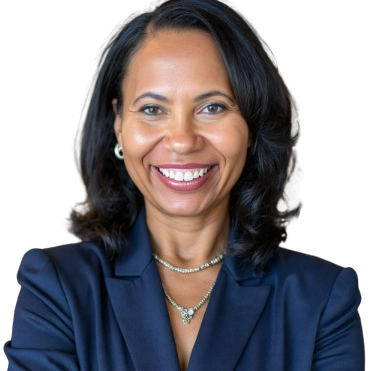
Dr. Monica Moody Moore, Ed.D.
United States – Digital transformation; Executive Leadership; Online Program Review
Read Full Bio
Monica Moody Moore, a “connector-in-chief” and digital transformation strategist, has developed impactful programs and partnerships across higher education/nonprofits, business, and government for over 20 years. Monica is founder of High Aspirations, an educational and professional services consultancy and has worked at senior levels in higher education. Moore disrupted the online learning market with innovative programming offered through the MBA, specialized masters, advanced executive leadership development programming and hybrid offerings for working professionals. Moore earned at doctorate at the University of Pennsylvania, Graduate School of Education and is passionate about the transformational power of education for all.
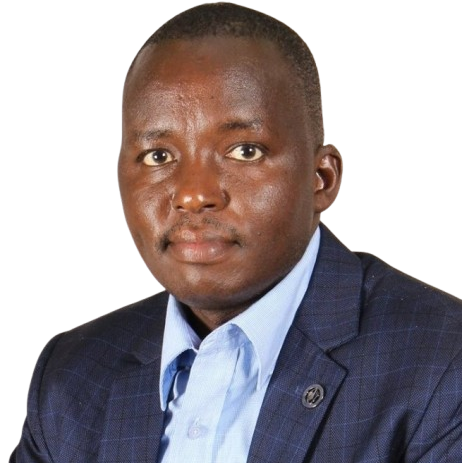
Titus Suter, MSc, BSc
Kenya – International Education & Global Engagement
Read Full Bio
Titus Suter is passionate about expanding global access to education and currently serves as the Regional Marketing Manager – Africa at the Victorian Institute of Education (Australia). He is also the Founder & CEO of Elimu Global Initiative (Kenya), where he leads programs that connect learners to international academic opportunities.
An Erasmus Mundus Scholar, Titus completed advanced studies in Geo-information Science and Earth Observation at the University of Twente (The Netherlands) and the University of Warsaw (Poland). He holds a Bachelor of Science in Natural Resources Management from Egerton University, graduating with First Class Honours and serving in multiple student leadership roles.
Global Updates from IACDE

How Accreditation Supports Student‑Athlete Academies: The 180 Degrees Academy Case in 2026

Lead With Confidence: Strengthening Institutional Credibility Through IACDE Digital Accreditation

Future-Proof Your Institution: Why IACDE Accreditation Matters More Now Than Ever

Why Students Prefer Digital Credentials Over Paper Certificates: Digital Accreditation and the Evolving Meaning of Trust
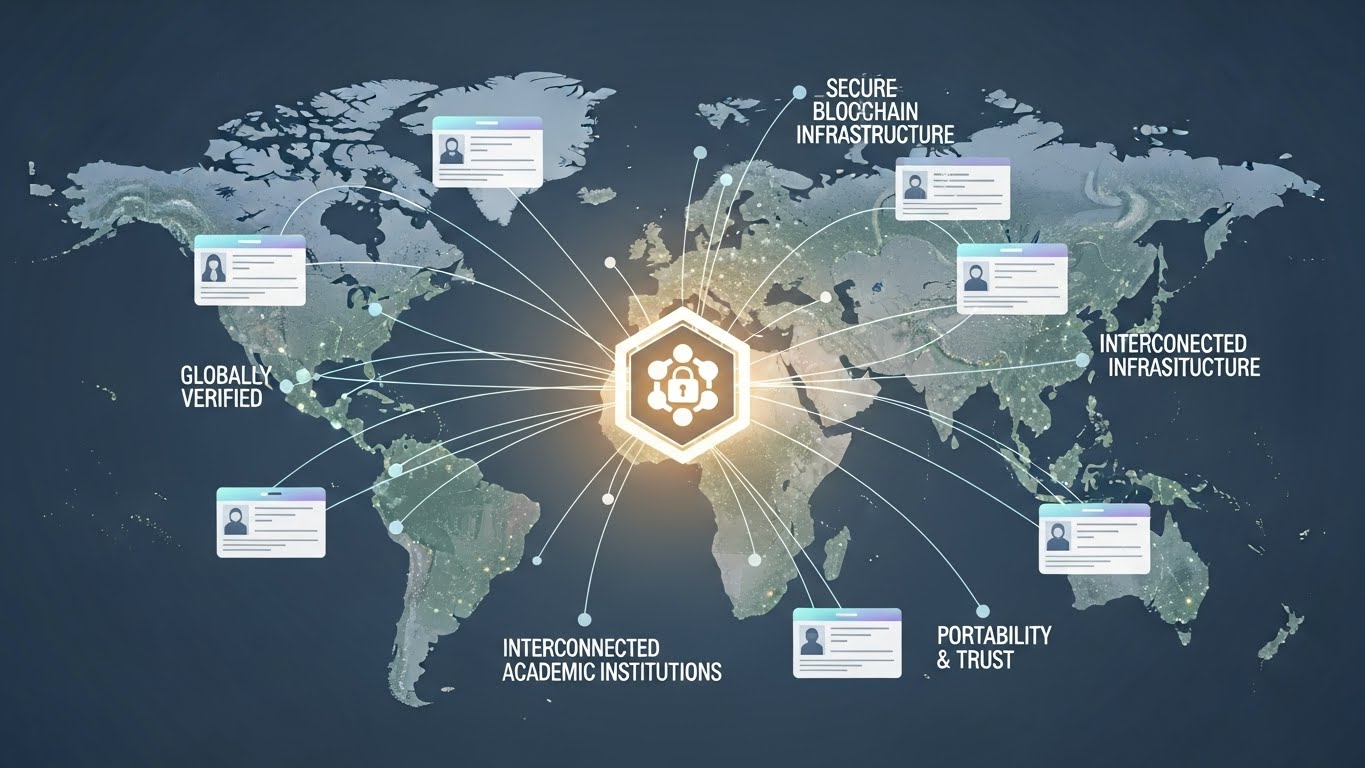
Blockchain in Accreditation and Credentialing: What’s Real and What’s Hype in Digital Accreditation
Why Students Prefer Digital Credentials Over Paper Certificates: Digital Accreditation and the New Learner Expectation

Are Digital Credentials Replacing Degrees? trends for 2025-2030

Is Digital Accreditation Legitimate? What Institutions Need to Know in 2026