
Blockchain has been repeatedly presented as a disruptive solution for higher education, promising fraud-proof credentials, decentralized trust, and global recognition without intermediaries. As institutions enter 2026–2027, interest in blockchain-enabled credentialing persists, yet adoption remains uneven. The central question for institutional leaders and regulators is no longer whether blockchain can be used in education, but whether it meaningfully advances digital accreditation and quality assurance in online learning.
This distinction matters. Digital accreditation depends on governance, accountability, and recognition—not technology alone. Blockchain may offer useful infrastructure for credential verification, but without alignment to accreditation standards, regulatory oversight, and global quality frameworks, its value remains limited. Separating durable contributions from speculative hype is therefore essential for responsible institutional decision-making.
━━━━━━━━━━━━━━━━━━━━━━━━━━
𝗙𝗿𝗼𝗺 𝗖𝗲𝗻𝘁𝗿𝗮𝗹𝗶𝘇𝗲𝗱 𝗥𝗲𝗰𝗼𝗿𝗱𝘀 𝘁𝗼 𝗗𝗶𝘀𝘁𝗿𝗶𝗯𝘂𝘁𝗲𝗱 𝗧𝗿𝘂𝘀𝘁
━━━━━━━━━━━━━━━━━━━━━━━━━━
Traditional academic records rely on centralized institutional custody. Transcripts, certificates, and degree confirmations are issued, stored, and verified through registrars or third-party services. This model functions adequately within national systems but becomes strained in cross-border education, distance-education accreditation, and lifelong learning pathways.
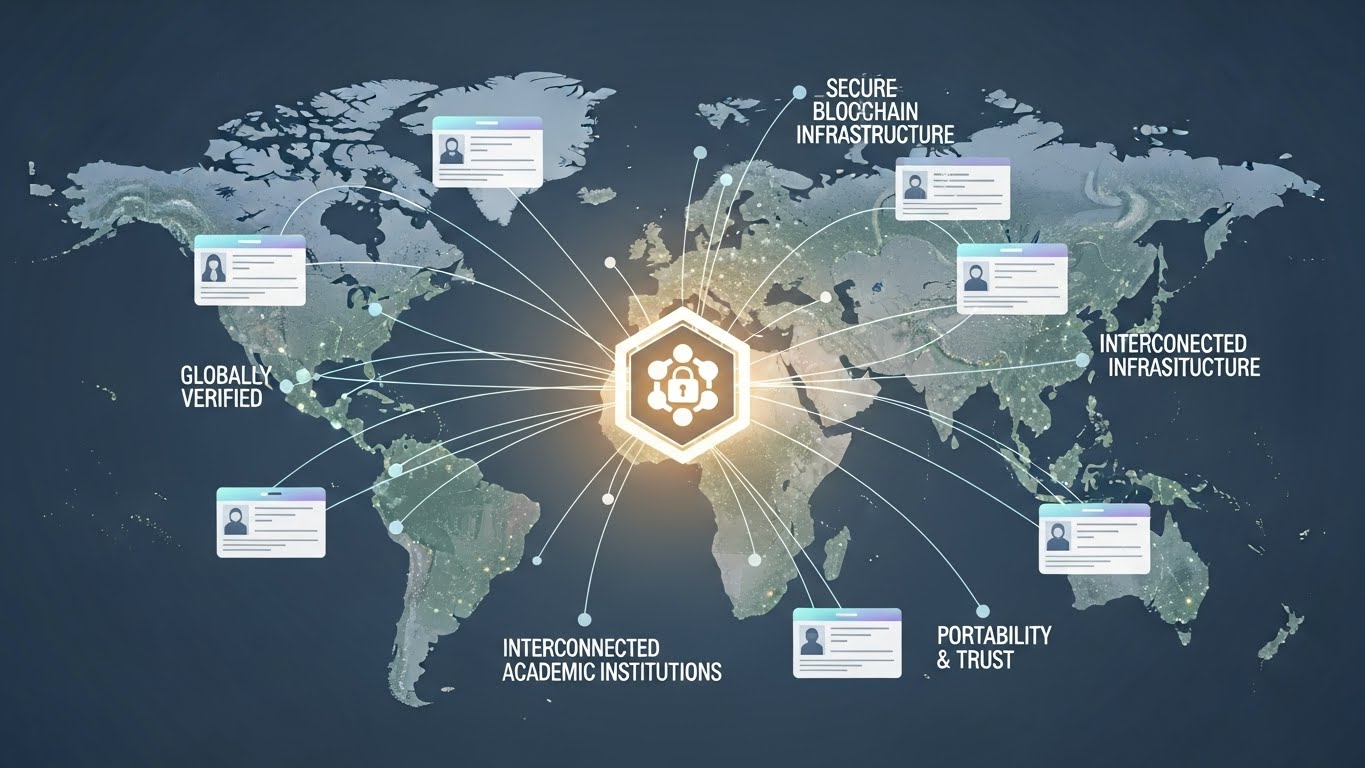
Blockchain proposes a shift from institutional custody to distributed verification. Credentials can be anchored to a tamper-resistant ledger, allowing third parties to confirm authenticity without direct contact with the issuing institution. In principle, this supports portability and reduces administrative friction.
However, accreditation has never been primarily about record storage. It is a judgment about institutional capacity, academic quality, and learner protection. Blockchain can support how credentials are verified, but it does not determine whether those credentials are academically legitimate or recognized within regulatory systems (CHEA, n.d.).
━━━━━━━━━━━━━━━━━━━━━━━━━━
𝗪𝗵𝗮𝘁 𝗠𝗮𝗸𝗲𝘀 𝗕𝗹𝗼𝗰𝗸𝗰𝗵𝗮𝗶𝗻 𝗖𝗿𝗲𝗱𝗲𝗻𝘁𝗶𝗮𝗹𝗶𝗻𝗴 𝗖𝗿𝗲𝗱𝗶𝗯𝗹𝗲
━━━━━━━━━━━━━━━━━━━━━━━━━━
The credibility of blockchain-based credentials depends less on decentralization and more on institutional and accreditation alignment.
𝗔𝗰𝗰𝗿𝗲𝗱𝗶𝘁𝗲𝗱 𝗶𝘀𝘀𝘂𝗮𝗻𝗰𝗲 𝗮𝗻𝗱 𝗴𝗼𝘃𝗲𝗿𝗻𝗮𝗻𝗰𝗲
Blockchain records only what is written to it. If credentials are issued by non-accredited providers or outside recognized quality assurance in online learning frameworks, immutability simply preserves weak signals. Credibility emerges when blockchain issuance is tied to accredited institutions operating under transparent standards (ENQA, 2018).
𝗩𝗲𝗿𝗶𝗳𝗶𝗰𝗮𝘁𝗶𝗼𝗻, 𝗻𝗼𝘁 𝗮𝘂𝘁𝗼𝗺𝗮𝘁𝗶𝗰 𝗿𝗲𝗰𝗼𝗴𝗻𝗶𝘁𝗶𝗼𝗻
A common misconception is that blockchain guarantees recognition. In reality, employers, regulators, and institutions still rely on accreditation status and qualification frameworks to interpret credentials. Blockchain can simplify verification, but cannot replace recognition agreements or regulatory authority (UNESCO, 2022).
𝗦𝘁𝗮𝗻𝗱𝗮𝗿𝗱𝘀 𝗶𝗻𝘁𝗲𝗿𝗼𝗽𝗲𝗿𝗮𝗯𝗶𝗹𝗶𝘁𝘆
Blockchain credentials gain value only when they align with open standards for metadata, learning outcomes, and qualification levels. Fragmented or proprietary implementations risk recreating silos rather than enabling global digital quality frameworks (OECD, 2023).
━━━━━━━━━━━━━━━━━━━━━━━━━━
𝗪𝗵𝘆 𝗧𝗵𝗶𝘀 𝗠𝗮𝘁𝘁𝗲𝗿𝘀 𝗠𝗼𝗿𝗲 𝗡𝗼𝘄
━━━━━━━━━━━━━━━━━━━━━━━━━━
Several developments have renewed scrutiny of blockchain in accreditation.
First, the scale of online and hybrid provision has intensified concerns about credential fraud and misrepresentation. While blockchain is often marketed as a solution, regulators increasingly emphasize that fraud prevention depends on assessment integrity and institutional oversight, not ledger technology alone.
Second, micro-credentials and short-cycle programs have proliferated. Their value depends on rapid, trusted verification, particularly across borders. Blockchain may support this need, but only when embedded within recognized micro-credentials and accreditation frameworks (INQAAHE, 2021).
Third, environmental, legal, and data-protection concerns have tempered earlier enthusiasm. Energy-intensive public blockchains and unclear governance models raise questions incompatible with public-interest accreditation mandates.
━━━━━━━━━━━━━━━━━━━━━━━━━━
𝗕𝗹𝗼𝗰𝗸𝗰𝗵𝗮𝗶𝗻, 𝗠𝗶𝗰𝗿𝗼-𝗖𝗿𝗲𝗱𝗲𝗻𝘁𝗶𝗮𝗹𝘀, 𝗔𝗜, 𝗮𝗻𝗱 𝘁𝗵𝗲 𝗡𝗲𝘅𝘁 𝗙𝗿𝗼𝗻𝘁𝗶𝗲𝗿 𝗼𝗳 𝗢𝘃𝗲𝗿𝘀𝗶𝗴𝗵𝘁
━━━━━━━━━━━━━━━━━━━━━━━━━━
Blockchain rarely operates in isolation. It increasingly intersects with AI-driven assessment, automated verification, and cross-platform credential wallets.
For quality assurance bodies, this convergence raises new oversight questions:
- How AI and academic integrity controls ensure that learning outcomes recorded on-chain reflect authentic student work.
- How micro-credentials stack into accredited programs without inflating credential volume or diluting standards.
- How cross-border delivery aligns blockchain-based verification with national qualification frameworks.
Digital-first accreditors such as the International Accrediting Commission for Digital Education (IACDE) are responding by focusing on system-level coherence rather than endorsing specific technologies. The emphasis shifts from “Is blockchain used?” to “Does the credential ecosystem remain accountable, transparent, and learner-centered?”
━━━━━━━━━━━━━━━━━━━━━━━━━━
𝗦𝘁𝗿𝗮𝘁𝗲𝗴𝗶𝗰 𝗣𝗿𝗶𝗼𝗿𝗶𝘁𝗶𝗲𝘀 𝗳𝗼𝗿 𝗜𝗻𝘀𝘁𝗶𝘁𝘂𝘁𝗶𝗼𝗻𝘀 𝗶𝗻 𝟮𝟬𝟮𝟳
━━━━━━━━━━━━━━━━━━━━━━━━━━
Institutions considering blockchain in credentialing should adopt a measured strategy.
- Start with accreditation alignment, ensuring that any blockchain use supports existing digital accreditation obligations.
- Prioritize interoperability and standards compliance over experimental platforms.
- Communicate clearly to learners what blockchain does and does not guarantee regarding recognition and employability.
These priorities reflect a shift from innovation signaling to trust-building.
━━━━━━━━━━━━━━━━━━━━━━━━━━
𝗠𝗼𝘃𝗶𝗻𝗴 𝗙𝗿𝗼𝗺 𝗣𝗿𝗶𝗻𝗰𝗶𝗽𝗹𝗲 𝘁𝗼 𝗣𝗿𝗮𝗰𝘁𝗶𝗰𝗲
━━━━━━━━━━━━━━━━━━━━━━━━━━
Blockchain is neither a panacea nor a passing fad. Its durable role in higher education lies in supporting verification within robust accreditation and quality assurance systems. Digital accreditation provides the normative framework within which blockchain can add value rather than confusion.
Institutions that wish to engage with a digital-first quality-assurance community can explore membership opportunities through the International Accrediting Commission for Digital Education (IACDE) at: https://iacde.org/become-a-member/
Institutions ready to formalize their commitment to rigorous digital accreditation can begin an application with IACDE at: https://iacde.org/apply-now/
The future of credentialing will be shaped less by distributed ledgers than by disciplined governance. Blockchain may support that future, but accreditation determines whether it is trusted.
━━━━━━━━━━━━━━━━━━━━━━━━━━
𝗥𝗲𝗳𝗲𝗿𝗲𝗻𝗰𝗲𝘀
━━━━━━━━━━━━━━━━━━━━━━━━━━
Council for Higher Education Accreditation. (n.d.). Recognition of accrediting organizations. https://www.chea.org
European Association for Quality Assurance in Higher Education. (2018). Considerations for quality assurance of e-learning provision. https://www.enqa.eu
International Network for Quality Assurance Agencies in Higher Education. (2021). Guidelines of good practice. https://www.inqaahe.org
Organisation for Economic Co-operation and Development. (2023). Micro-credentials for lifelong learning and employability. https://www.oecd.org
UNESCO. (2022). Global convention on the recognition of qualifications concerning higher education. https://www.unesco.org
UNESCO. (2023). Quality assurance in digital and cross-border higher education. https://www.unesco.org
No responses yet