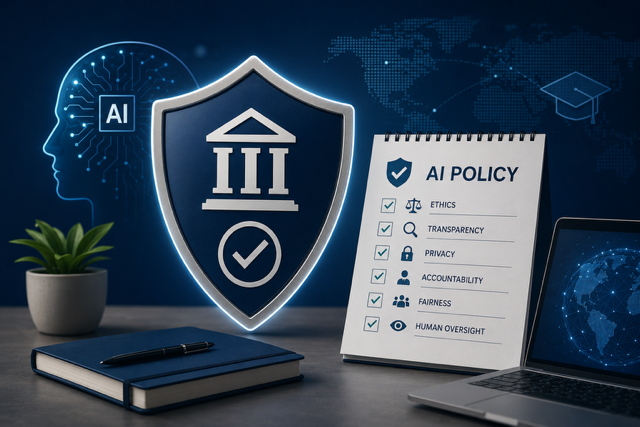

In 2027, digital accreditation is a central mechanism for legitimizing lifelong learning pathways in an era defined by online and hybrid education delivery. Digital accreditation certifies that institutions deliver quality education irrespective of physical modality, providing learners, employers, and regulators with assurance that programs are credible, outcomes‑focused, and aligned with global quality norms (CHEA, n.d.; OECD, 2023). Digital accreditation frameworks are evolving to address new dimensions of online education such as AI‑enabled learning, modular credentials, and cross‑border recognition, which makes them indispensable for learners navigating lifelong learning ecosystems where digital credentials proliferate.
━━━━━━━━━━━━━━━━━━━━━━━━━━
𝗙𝗿𝗼𝗺 𝗧𝗿𝗮𝗱𝗶𝘁𝗶𝗼𝗻𝗮𝗹 𝗧𝗼 𝗗𝗶𝗴𝗶𝘁𝗮𝗹‑𝗙𝗶𝗿𝘀𝘁 𝗔𝗰𝗰𝗿𝗲𝗱𝗶𝘁𝗮𝘁𝗶𝗼𝗻
━━━━━━━━━━━━━━━━━━━━━━━━━━
Traditional quality‑assurance models evolved around physical campuses, fixed calendars, and periodic site visits, which limited their applicability to fully digital or hybrid providers. In contrast, digital accreditation evaluates institutions based on learner outcomes, instructional design, assessment integrity, and support structures independent of place‑based criteria, thereby legitimizing a broader array of lifelong learning experiences (CHEA, n.d.; OECD, 2023). By aligning standards with online learning realities, digital accreditation supports the mobility of credentials and the recognition of skills across contexts and borders.
━━━━━━━━━━━━━━━━━━━━━━━━━━
𝗪𝗵𝗮𝘁 𝗠𝗮𝗸𝗲𝘀 𝗗𝗶𝗴𝗶𝘁𝗮𝗹 𝗔𝗰𝗰𝗿𝗲𝗱𝗶𝘁𝗮𝘁𝗶𝗼𝗻 𝗖𝗿𝗲𝗱𝗶𝗯𝗹𝗲 𝗮𝗻𝗱 𝗧𝗿𝗮𝗻𝘀𝗳𝗼𝗿𝗺𝗮𝘁𝗶𝘃𝗲
━━━━━━━━━━━━━━━━━━━━━━━━━━
Credible digital accreditation is anchored in internationally recognized quality‑assurance principles—authority, independence, peer review, transparency, and continuous improvement—but tailored to digital delivery and learner support systems (INQAAHE, 2018; ENQA, 2022). It systematically evaluates evidence of learning outcomes, technology governance, academic integrity, and institutional capacity across online environments, which positions learners to trust the value and portability of digital credentials.
━━━━━━━━━━━━━━━━━━━━━━━━━━
𝗪𝗵𝘆 𝗧𝗵𝗶𝘀 𝗠𝗮𝘁𝘁𝗲𝗿𝘀 𝗠𝗼𝗿𝗲 𝗡𝗼𝘄
━━━━━━━━━━━━━━━━━━━━━━━━━━
Several forces amplify the importance of digital accreditation in 2027:
- AI and academic integrity concerns now shape assessment credibility and public trust, necessitating quality‑assurance systems that account for automated learning tools (OECD, 2023).
- Micro‑credentials and modular pathways are becoming integral to lifelong learning, requiring clear standards and articulation to support stacking and recognition across frameworks (OECD, 2021; IMINQA Project, 2023).
- Cross‑border online provision demands consistent quality signals that transcend national jurisdictions, making digital accreditation essential for global recognition (OECD, 2023).
━━━━━━━━━━━━━━━━━━━━━━━━━━
𝗔𝗜, 𝗠𝗶𝗰𝗿𝗼‑𝗖𝗿𝗲𝗱𝗲𝗻𝘁𝗶𝗮𝗹𝘀, 𝗮𝗻𝗱 𝗡𝗲𝘅𝘁 𝗙𝗿𝗼𝗻𝘁𝗶𝗲𝗿𝘀 𝗼𝗳 𝗢𝘃𝗲𝗿𝘀𝗶𝗴𝗵𝘁
━━━━━━━━━━━━━━━━━━━━━━━━━━
AI and micro‑credentials are reshaping lifelong learning pathways faster than traditional accreditation cycles were designed to accommodate (OECD, 2021). Effective digital accreditation models evaluate how short‑form credentials articulate into larger learning ecosystems, how AI tools are governed, and how evidence of learning is authenticated and portable across contexts. This positions digital accreditation as a governance mechanism that ensures not only compliance but also relevance and learner empowerment.
━━━━━━━━━━━━━━━━━━━━━━━━━━
𝗦𝘁𝗿𝗮𝘁𝗲𝗴𝗶𝗰 𝗣𝗿𝗶𝗼𝗿𝗶𝘁𝗶𝗲𝘀 𝗳𝗼𝗿 𝗜𝗻𝘀𝘁𝗶𝘁𝘂𝘁𝗶𝗼𝗻𝘀 𝗶𝗻 𝟮𝟬𝟮𝟳
━━━━━━━━━━━━━━━━━━━━━━━━━━
- Align internal QA frameworks with digital accreditation standards that emphasize outcomes, integrity, learner support, and technology governance.
- Invest in AI governance and data ethics to ensure assessment validity, transparency, and ethical use of adaptive systems.
- Develop articulation pathways for micro‑credentials and stackable learning to support lifelong learning and skills mobility.
━━━━━━━━━━━━━━━━━━━━━━━━━━
𝗠𝗼𝘃𝗶𝗻𝗴 𝗙𝗿𝗼𝗺 𝗣𝗿𝗶𝗻𝗰𝗶𝗽𝗹𝗲 𝘁𝗼 𝗣𝗿𝗮𝗰𝘁𝗶𝗰𝗲
━━━━━━━━━━━━━━━━━━━━━━━━━━
Translating digital accreditation principles into practice requires engagement with specialized quality‑assurance communities and frameworks that understand digital and hybrid learning modalities. Institutions that wish to engage with a digital‑first quality‑assurance community can explore membership opportunities through the International Accrediting Commission for Digital Education (IACDE) at: https://iacde.org/become-a-member/. For institutions ready to formalize their commitment to rigorous digital accreditation, including oversight of AI‑enabled learning and online delivery, an application process is available through IACDE at: https://iacde.org/apply-now/.
━━━━━━━━━━━━━━━━━━━━━━━━━━
𝗥𝗲𝗳𝗲𝗿𝗲𝗻𝗰𝗲𝗦
…………………………………………………………………………………………………
Council for Higher Education Accreditation. (n.d.). Accreditation and assuring quality in distance learning. CHEA. https://www.chea.org/sites/default/files/other-content/mono_1_accred_distance_02.pdf
European Higher Education Area Publications Committee. (2023). Approaches to quality assurance of micro‑credentials. EHEA.
Higher Learning Commission. (2021). 21st century distance education guidelines. HLC.
INQAAHE. (2018). Guidelines of good practice for QA agencies. International Network for Quality Assurance Agencies in Higher Education.
Organisation for Economic Co‑operation and Development. (2021). Quality and value of micro‑credentials in higher education. OECD Publishing.
Organisation for Economic Co‑operation and Development. (2023). Micro‑credentials for lifelong learning and employability. OECD Publishing.
UNESCO. (2023). Global digital education quality frameworks. UNESCO.