Quality Assurance Pillars of IACDE
At IACDE, we are committed to transparent, rigorous, and collaborative accreditation practices. These pillars guide our framework for institutional recognition, ethical review, and peer-engaged improvement.

Standards of Accreditation
At IACDE, we believe accreditation should be more than a checklist—it should be a catalyst for excellence. Our Standards for Accreditation are designed to uphold academic rigor, digital integrity, student outcomes, and institutional effectiveness in fully online, hybrid, and technology-enhanced learning environments.

Policies & Procedures
Our policies, guidelines, and operational procedures outline the mutual responsibilities of IACDE and accredited institutions. These documents ensure transparency, consistency, and accountability in the accreditation process and institutional compliance.

Become a Peer Evaluator
IACDE relies on a network of experienced professionals to conduct peer reviews, site visits (virtual and hybrid), and self-study evaluations. Learn about the role, benefits, and application process for becoming a peer evaluator in our international network.
Why Institutions Trust IACDE
IACDE is an independent, digital‑first accreditor with clear standards, a documented review process, and public accountability for its decisions. Our work is grounded in international good‑practice expectations for external quality assurance.
Independent quality agency
IACDE operates as a private, non‑government accreditor under U.S. law with its own Accreditation Commission, conflict‑of‑interest safeguards, and documented decision‑making procedures.
Transparent standards and process
Our Accreditation Standards, Accreditation Handbook, and policies are published and regularly updated so institutions know exactly how they will be evaluated.
Aligned with global norms
IACDE’s framework is informed by international quality‑assurance principles, including INQAAHE Guidelines of Good Practice, CHEA CIQG principles, and ISO 21001 for educational organizations.
Who We Accredit
Accrediting Diverse Institutions Advancing Digital Learning Excellence
IACDE accredits a broad range of institutions committed to high-quality digital learning, including online universities and colleges, hybrid and virtual K–12 schools, professional training academies, faith-based education providers, coaching certification programs, and edtech platforms offering competency-based or microcredential learning. We also serve international and cross-border institutions seeking recognition for virtual and technology-enhanced instruction.
Ready to Elevate Your Institution?
Join the growing network of accredited digital education providers.
Global Insights from IACDE
IACDE is intentionally global in both its governance and its work. Our Global Advisory Council and international chapters bring together leaders from Africa, Asia, Europe, the Caribbean, South America, and North America to inform how our standards respond to real digital‑education challenges worldwide.
Through this global engagement, IACDE stays aligned with emerging quality expectations, policy trends, and innovations in online and hybrid learning—without being tied to any single national system.
Stay up-to-date with the latest news, insights, and trends in online education through our blog posts.
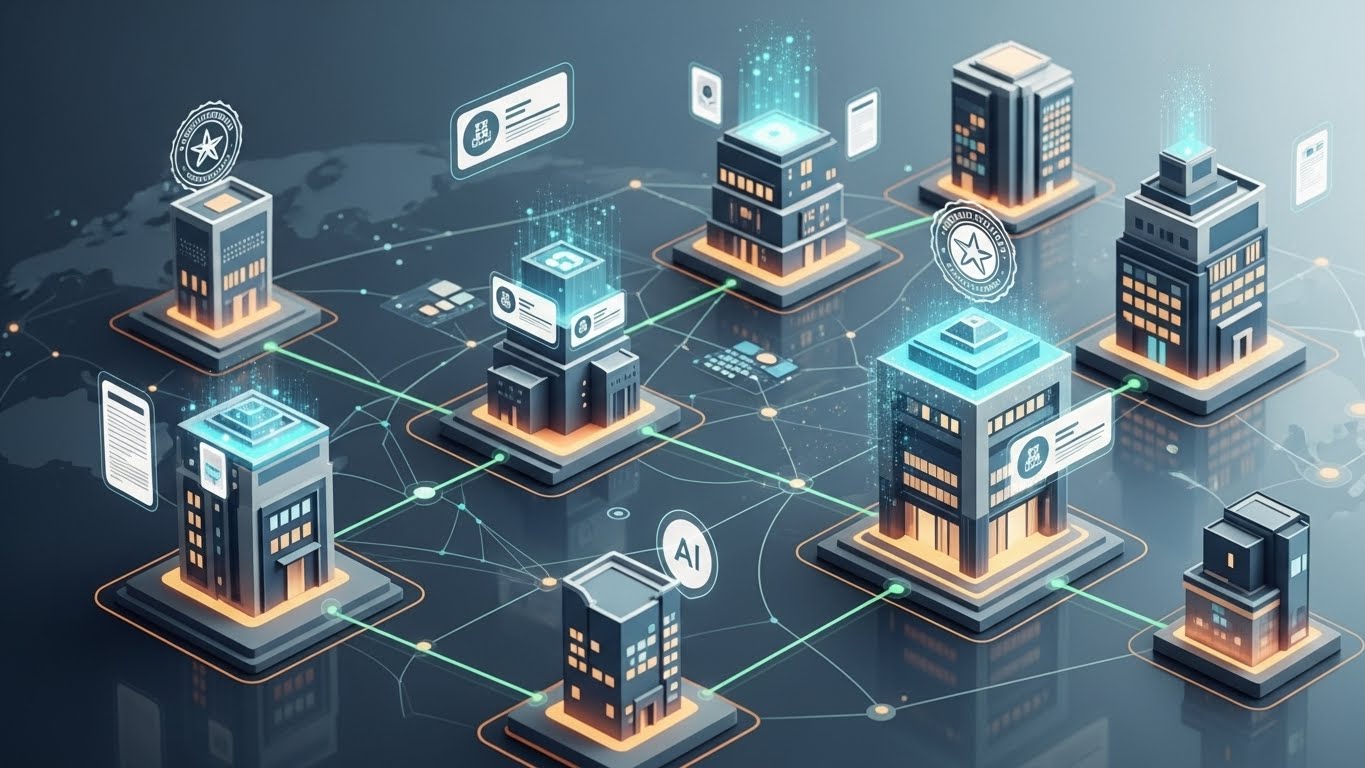
From Innovation to Recognition: Validating Digital Programs Through Digital Accreditation IACDE.

Building Trust in a Disrupted Higher-Ed Landscape with IACDE Digital Accreditation

Stand Out in a Crowded Market: Elevate Your Institution with IACDE Digital Accreditation

How Accreditation Supports Student‑Athlete Academies: The 180 Degrees Academy Case in 2026

Lead With Confidence: Strengthening Institutional Credibility Through IACDE Digital Accreditation

Future-Proof Your Institution: Why IACDE Accreditation Matters More Now Than Ever
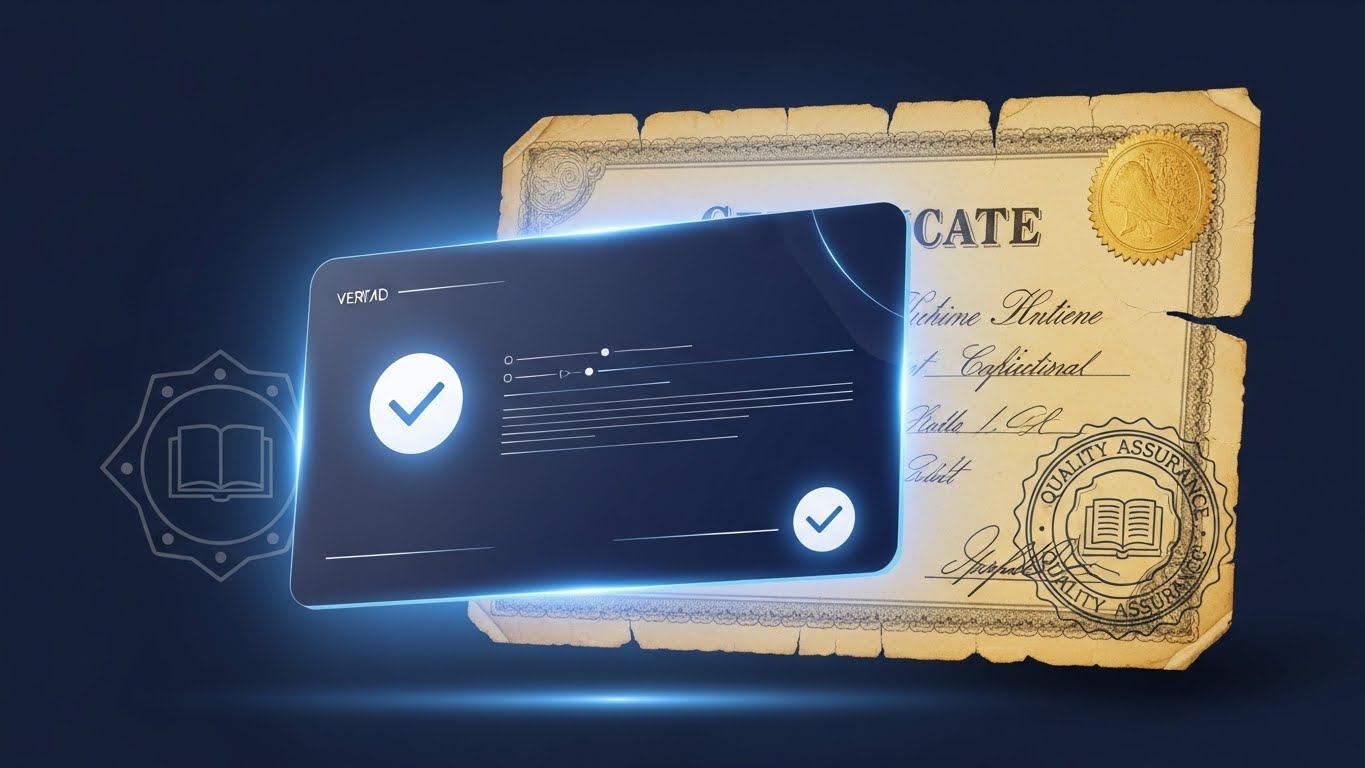
Why Students Prefer Digital Credentials Over Paper Certificates: Digital Accreditation and the Evolving Meaning of Trust
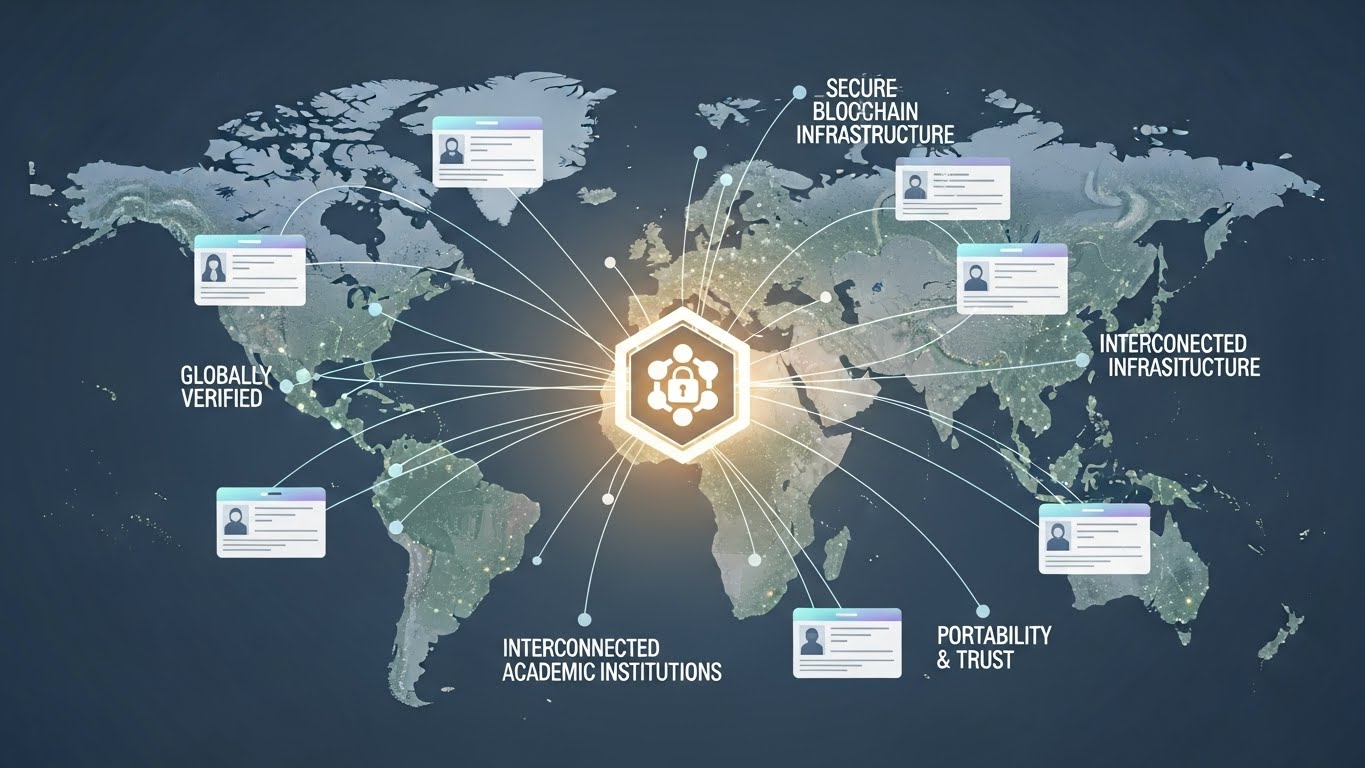
Blockchain in Accreditation and Credentialing: What’s Real and What’s Hype in Digital Accreditation
100%
digital Accreditation experience
3
Accreditation Tiers for Digital Institutions
75+
highly qualified Global advisors in network
200+
Years of Combined Experience
Frequently Asked Questions
Quick answers about IACDE’s authority, process, eligibility, and recognition.