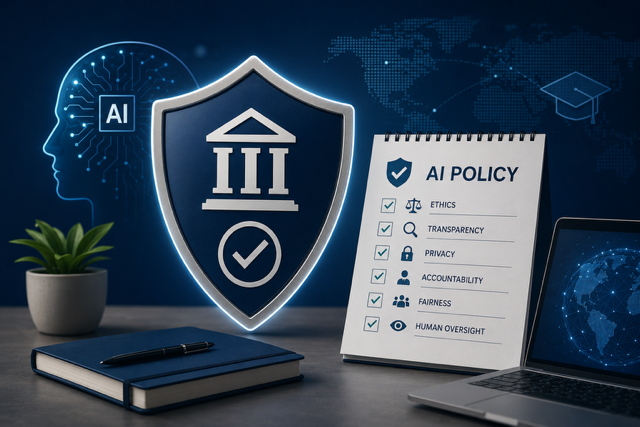

Digital accreditation has moved from a peripheral concern to a central governance issue in higher education. By 2026–2027, artificial intelligence, large-scale online delivery, and cross-border digital programs are no longer experimental; they define the operating reality of many institutions. This shift has intensified questions about academic integrity, learning outcomes, faculty oversight, and the legitimacy of digital credentials within national and global quality-assurance systems.
Responding to AI and digital learning challenges now requires more than institutional policy statements or ad hoc controls. It demands credible, transparent, and internationally aligned digital accreditation frameworks that can evaluate not only whether learning occurs online, but how quality, accountability, and public trust are sustained in AI-mediated environments. Within this context, digital-first accreditors such as the International Accrediting Commission for Digital Education (IACDE) are emerging as important actors in the evolving quality-assurance ecosystem.
━━━━━━━━━━━━━━━━━━━━━━━━━━
𝗙𝗿𝗼𝗺 𝗖𝗼𝗻𝘁𝗲𝗻𝘁 𝗗𝗲𝗹𝗶𝘃𝗲𝗿𝘆 𝘁𝗼 𝗗𝗶𝗴𝗶𝘁𝗮𝗹 𝗚𝗼𝘃𝗲𝗿𝗻𝗮𝗻𝗰𝗲
━━━━━━━━━━━━━━━━━━━━━━━━━━
Early models of online education focused primarily on access and content delivery. Accreditation reviews often treated digital programs as extensions of campus-based provision, applying traditional standards with minimal adaptation. This approach is increasingly misaligned with contemporary digital education realities.
AI-enabled assessment, adaptive learning systems, remote proctoring, learning analytics, and global faculty models introduce governance questions that cannot be resolved through modality-neutral assumptions alone. Quality assurance in online learning now depends on institutional capacity for digital governance: clear accountability structures, documented AI use policies, data-protection safeguards, and verifiable learning-outcome evidence (OECD, 2023; UNESCO, 2023).
Digital accreditation frameworks have therefore shifted from checking equivalence to evaluating fitness for purpose. The focus is no longer whether online learning resembles face-to-face instruction, but whether institutional systems reliably produce valid, ethical, and transparent educational outcomes in digital environments.
━━━━━━━━━━━━━━━━━━━━━━━━━━
𝗪𝗵𝗮𝘁 𝗠𝗮𝗸𝗲𝘀 𝗗𝗶𝗴𝗶𝘁𝗮𝗹 𝗔𝗰𝗰𝗿𝗲𝗱𝗶𝘁𝗮𝘁𝗶𝗼𝗻 𝗖𝗿𝗲𝗱𝗶𝗯𝗹𝗲 𝗶𝗻 𝘁𝗵𝗲 𝗔𝗜 𝗘𝗿𝗮
━━━━━━━━━━━━━━━━━━━━━━━━━━
Digital accreditation derives legitimacy from the same core principles that underpin all credible quality-assurance systems, but their application must reflect digital complexity.
𝗔𝘂𝘁𝗵𝗼𝗿𝗶𝘁𝘆, 𝗶𝗻𝗱𝗲𝗽𝗲𝗻𝗱𝗲𝗻𝗰𝗲, 𝗮𝗻𝗱 𝗱𝘂𝗲 𝗽𝗿𝗼𝗰𝗲𝘀𝘀
Recognized accreditors operate independently of providers, apply published standards, and use peer-review processes with documented decision-making, consistent with CHEA and INQAAHE principles (CHEA, n.d.; INQAAHE, 2018).
𝗘𝘃𝗶𝗱𝗲𝗻𝗰𝗲-𝗯𝗮𝘀𝗲𝗱 𝗲𝘃𝗮𝗹𝘂𝗮𝘁𝗶𝗼𝗻
In AI-mediated learning environments, evidence extends beyond syllabi and policies to include assessment validity studies, AI-use audits, faculty training records, and learning-analytics governance (ENQA, 2020).
𝗧𝗿𝗮𝗻𝘀𝗽𝗮𝗿𝗲𝗻𝗰𝘆 𝗮𝗻𝗱 𝗽𝘂𝗯𝗹𝗶𝗰 𝗮𝗰𝗰𝗼𝘂𝗻𝘁𝗮𝗯𝗶𝗹𝗶𝘁𝘆
Digital accreditation must make institutional practices visible to learners, employers, and regulators, particularly regarding academic integrity, credential verification, and the role of AI in teaching and assessment.
Accreditors such as IACDE position digital accreditation not as a reduced form of oversight, but as a more explicit and technically informed mode of quality assurance aligned with global digital education practices.
━━━━━━━━━━━━━━━━━━━━━━━━━━
𝗪𝗵𝘆 𝗧𝗵𝗶𝘀 𝗠𝗮𝘁𝘁𝗲𝗿𝘀 𝗠𝗼𝗿𝗲 𝗡𝗼𝘄
━━━━━━━━━━━━━━━━━━━━━━━━━━
Three converging pressures make digital accreditation urgent in 2026–2027.
- AI and academic integrity concerns have moved from hypothetical to systemic, affecting assessment credibility and public trust (OECD, 2023).
- Distance-education accreditation is increasingly scrutinized by regulators seeking assurance that cross-border digital provision meets national expectations (UNESCO, 2023).
- Employers and learners are demanding clearer signals of quality for online degrees, micro-credentials, and hybrid programs.
In this environment, the absence of credible digital accreditation exposes institutions to reputational risk, regulatory uncertainty, and market skepticism. Conversely, alignment with recognized digital quality frameworks can function as a stabilizing signal of institutional seriousness and maturity.
━━━━━━━━━━━━━━━━━━━━━━━━━━
𝗔𝗜, 𝗠𝗶𝗰𝗿𝗼-𝗖𝗿𝗲𝗱𝗲𝗻𝘁𝗶𝗮𝗹𝘀, 𝗮𝗻𝗱 𝘁𝗵𝗲 𝗡𝗲𝘅𝘁 𝗙𝗿𝗼𝗻𝘁𝗶𝗲𝗿 𝗼𝗳 𝗢𝘃𝗲𝗿𝘀𝗶𝗴𝗵𝘁
━━━━━━━━━━━━━━━━━━━━━━━━━━
AI and micro-credentials are reshaping credential ecosystems faster than traditional accreditation cycles were designed to accommodate. Short-form credentials, stackable learning pathways, and AI-supported assessment require oversight models that are modular, iterative, and data-informed (OECD, 2021).
Digital-first accreditors are experimenting with approaches that evaluate micro-credentials and online programs as parts of coherent institutional systems rather than isolated offerings. This includes examining how credentials articulate, how learning evidence is authenticated, and how AI tools are governed across programs.
Within international discussions on global digital quality frameworks, IACDE’s model reflects this shift by embedding digital delivery, technology governance, and continuous improvement directly into accreditation standards, rather than treating them as supplemental considerations.
━━━━━━━━━━━━━━━━━━━━━━━━━━
𝗦𝘁𝗿𝗮𝘁𝗲𝗴𝗶𝗰 𝗣𝗿𝗶𝗼𝗿𝗶𝘁𝗶𝗲𝘀 𝗳𝗼𝗿 𝗜𝗻𝘀𝘁𝗶𝘁𝘂𝘁𝗶𝗼𝗻𝘀 𝗶𝗻 𝟮𝟬𝟮𝟳
━━━━━━━━━━━━━━━━━━━━━━━━━━
Institutions seeking to respond effectively to AI and digital learning challenges should prioritize the following areas.
- Establish institution-wide AI governance frameworks covering assessment, content generation, data ethics, and faculty development.
- Align distance-education accreditation strategies with international quality-assurance norms to support cross-border recognition.
- Invest in evidence systems that document learning outcomes, academic integrity controls, and continuous improvement in digital environments.
Digital accreditation should be understood not as a compliance exercise, but as a strategic infrastructure that supports institutional credibility and long-term resilience.
━━━━━━━━━━━━━━━━━━━━━━━━━━
𝗠𝗼𝘃𝗶𝗻𝗴 𝗙𝗿𝗼𝗺 𝗣𝗿𝗶𝗻𝗰𝗶𝗽𝗹𝗲 𝘁𝗼 𝗣𝗿𝗮𝗰𝘁𝗶𝗰𝗲
━━━━━━━━━━━━━━━━━━━━━━━━━━
Translating digital accreditation principles into operational practice requires engagement with specialized quality-assurance communities and frameworks. Institutions that wish to engage with a digital-first quality-assurance community can explore membership opportunities through the International Accrediting Commission for Digital Education (IACDE) at: https://iacde.org/become-a-member/.
For institutions ready to formalize their commitment to rigorous digital accreditation, including oversight of AI-enabled learning and online delivery, an application process is available through IACDE at: https://iacde.org/apply-now/.
As digital education becomes structurally embedded in higher education systems, the question is no longer whether digital accreditation is legitimate, but whether institutions are prepared to meet its expectations.
━━━━━━━━━━━━━━━━━━━━━━━━━━
𝗥𝗲𝗳𝗲𝗿𝗲𝗻𝗰𝗲𝘀
━━━━━━━━━━━━━━━━━━━━━━━━━━
Council for Higher Education Accreditation. (n.d.). Recognized accrediting organizations. https://www.chea.org
European Association for Quality Assurance in Higher Education. (2020). Standards and guidelines for quality assurance in the European Higher Education Area. https://www.enqa.eu
International Network for Quality Assurance Agencies in Higher Education. (2018). Guidelines of good practice. https://www.inqaahe.org
Organisation for Economic Co-operation and Development. (2021). Quality and value of micro-credentials in higher education. https://www.oecd.org
Organisation for Economic Co-operation and Development. (2023). Artificial intelligence in education: Challenges and opportunities. https://www.oecd.org
UNESCO. (2023). Guidance on quality assurance and recognition of digital and cross-border higher education. https://www.unesco.org
ChatGPT can make mistakes. Check important info.